Tiger Hill
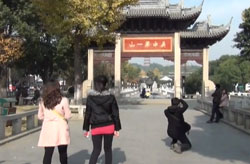
It was formally called Haiyong (Surging Sea) Hill. According to Shi Ji written by Sima Qian who was a well-known historian of the Western Han Dynasty (202 BC - 9 AD), Fu Chai, the king of the Wu State of the Spring and Autumn Period (770 – 476 BC), was buried here. Legend has it that a white tiger appeared on the hill on the third day after Fu Chai was buried. Since then, it has acquired its name Tiger Hill.

3670

4
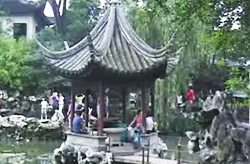
Humble Administrator's Garden
Covering an area of around 13 acres, it is still the largest classical garden in Suzhou. It is divided into three parts, eastern section, central section and western section. The central section is truly the most brilliant part. Tourists can also discover the museum of Suzhou Classic Gardens inside the garden.

3510

2
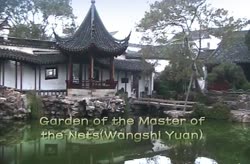
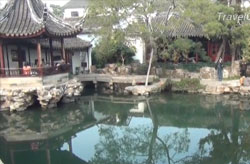
Garden of the Master of the Nets (Wang Shi Yuan)
Needless to say, Dian Chun Yi, called the Peony Study in English, is the most renowned part of the Garden of the Master of the Nets. Astor Court, named Ming Xuan, is a Chinese courtyard built on the second floor of the Metropolitan Museum of Art of New York City. It is said that Ming Xuan is just another copy of the Peony Study of the Garden of the Master of the Nets.

4019

1